Vinyl, banners and signs: choosing the right material
12 June 2026 · By GraphicTech.mu · Updated 17 June 2026
The material decides the result
In signage, the material you choose matters as much as the design. The same logo can last a few months or several years depending on the vinyl, the laminate and the surface it is applied to. Choosing well is what separates a sign maker customers trust from one who keeps replacing failed jobs for free.
This guide walks through the common materials and how to match them to the job in front of you.
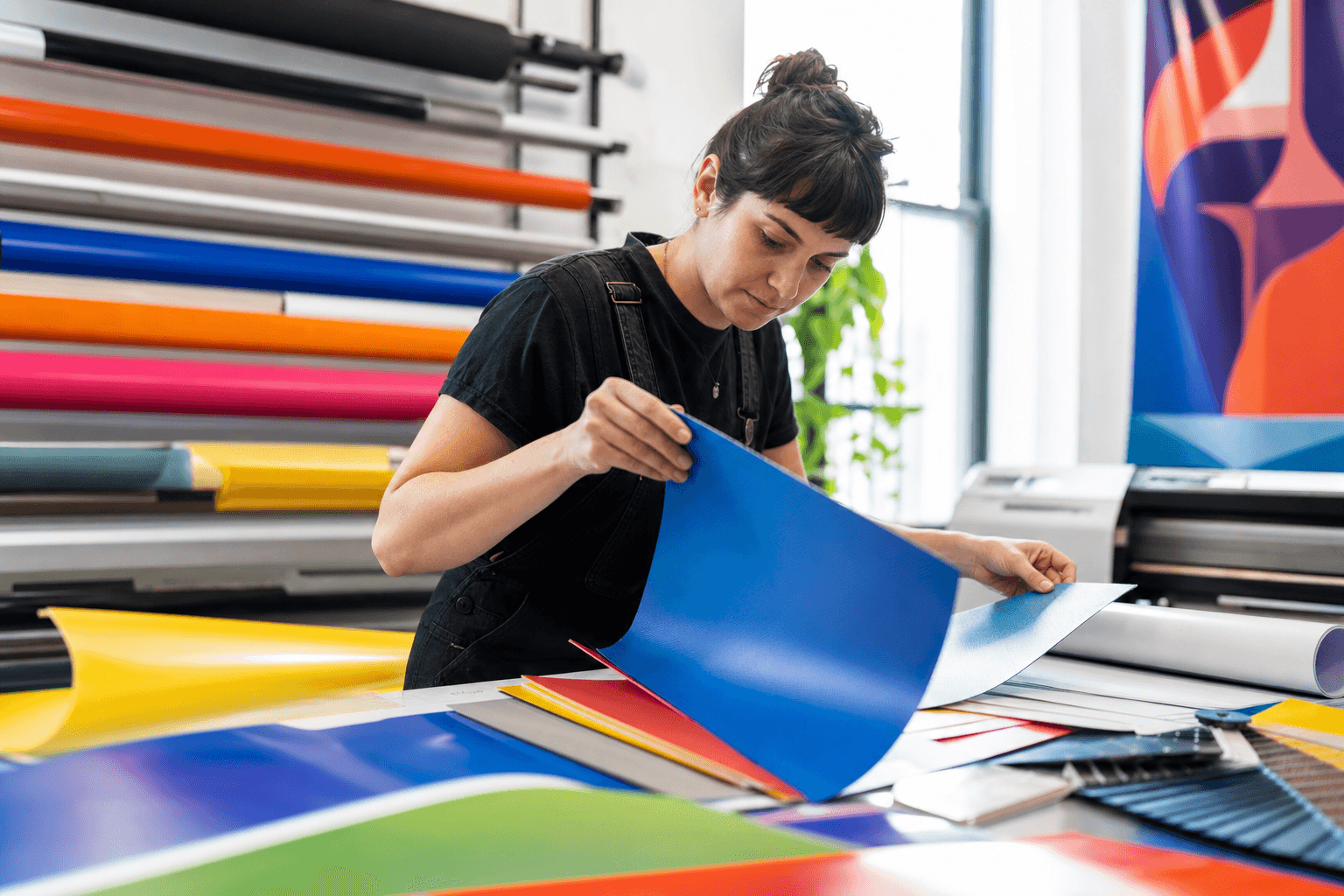
Understanding vinyl types
Adhesive vinyl is the backbone of signage, and it comes in two broad families that you must not confuse.
Calendered vinyl
Calendered vinyl is made by rolling the material into sheets. It is thicker, more affordable and ideal for flat surfaces and short to medium term work, such as shop windows, flat signs and promotional decals. It is the everyday workhorse, but it can shrink over time and does not conform well to deep curves.
Cast vinyl
Cast vinyl is poured and cured as a thin, stable film. It is more expensive, but it conforms to curves and rivets, resists shrinking and lasts for years. It is the right choice for vehicle wraps and any application that demands long life and a complex shape.
A simple rule helps. For flat, short term jobs, calendered vinyl is sensible and economical. For curved surfaces or long life outdoor work, cast vinyl earns its higher price.
Specialty vinyl films
Beyond standard colours, a range of specialty films expand what you can offer. Reflective vinyl is essential for safety signage and vehicle markings that need to be visible at night. Frosted or etched glass film gives offices a professional, private look. Floor graphic vinyl has a textured laminate for grip and durability underfoot. Knowing these exist lets you say yes to more requests.
Banner materials
Banners are usually printed on a flexible material rather than cut from vinyl. The most common is a PVC banner material, often described by its weight. Heavier banner material is more rugged and hangs better, while lighter material is cheaper and fine for short indoor use.
For a premium indoor look, fabric banners avoid glare and fold without permanent creases, which makes them popular for events and exhibitions. Mesh banner material has small holes that let wind pass through, which is important for large outdoor banners on fences and buildings where wind load could tear a solid banner or pull down its fixings.
The role of lamination
Lamination is the clear protective layer applied over a printed graphic. It is not optional for outdoor and high traffic work. A laminate protects the ink from scratching, handling and the sun, and it can add a gloss or matte finish.
The sun is the main reason laminate matters. Without protection, printed colours fade, and some pigments fade faster than others. A good laminate slows this dramatically and is the single most important step for the life of an outdoor print.
Reading the customer's real need
Good material choice starts with two questions. Where will the sign live, and how long must it last? A banner for a one weekend event does not need premium material or heavy lamination. A shopfront sign meant to look sharp for five years does.
Matching the material to the expected life protects both your reputation and the customer's budget. Overbuilding a temporary sign wastes their money. Underbuilding a permanent one costs you a remake.
The Mauritius climate factor
The local climate is hard on outdoor signage. Strong sun, high humidity, salt air near the coast and seasonal heavy rain all attack materials. Cyclone season adds wind that can destroy a poorly chosen or poorly fixed banner.
These conditions argue for choosing UV resistant, properly laminated materials for anything outdoors, and for using mesh on large exposed banners. Near the sea, salt accelerates degradation, so longer life cast films and quality laminates pay for themselves. Strong fixings matter as much as strong material, because the best banner still fails if the wind tears it from its eyelets.
A practical approach
Keep a small range of trusted materials rather than chasing every option. A reliable calendered vinyl, a cast vinyl for demanding jobs, a couple of banner weights and a good laminate will cover most work that comes through a Mauritian sign shop. Learn how each one behaves, match it honestly to the customer's need and conditions, and your signs will keep doing their job long after they leave your workshop.
Great print starts with the right supplies and know how. Explore the wider Graphic Supplies ecosystem.