Getting started in signage and print: a beginner's guide
10 June 2026 · By GraphicTech.mu · Updated 17 June 2026
A field that rewards curiosity
The print and signage trade looks complicated from the outside. Walk into a workshop and you see vinyl cutters, heat presses, large format printers and shelves of mysterious media. The good news is that almost everyone working in this field started by learning one process well, then adding the next. You do not need every machine to begin, and you do not need a design degree either. You need a clear idea of what you want to make and a willingness to practise.
This guide gives you the map. It explains the main families of print and signage work, the kit that gets you going, and how to move from hobby projects to your first paying customers in Mauritius.
The main processes, simply put
Most commercial print and signage falls into a handful of methods. Knowing what each one is good for helps you avoid buying the wrong machine.
Vinyl cutting
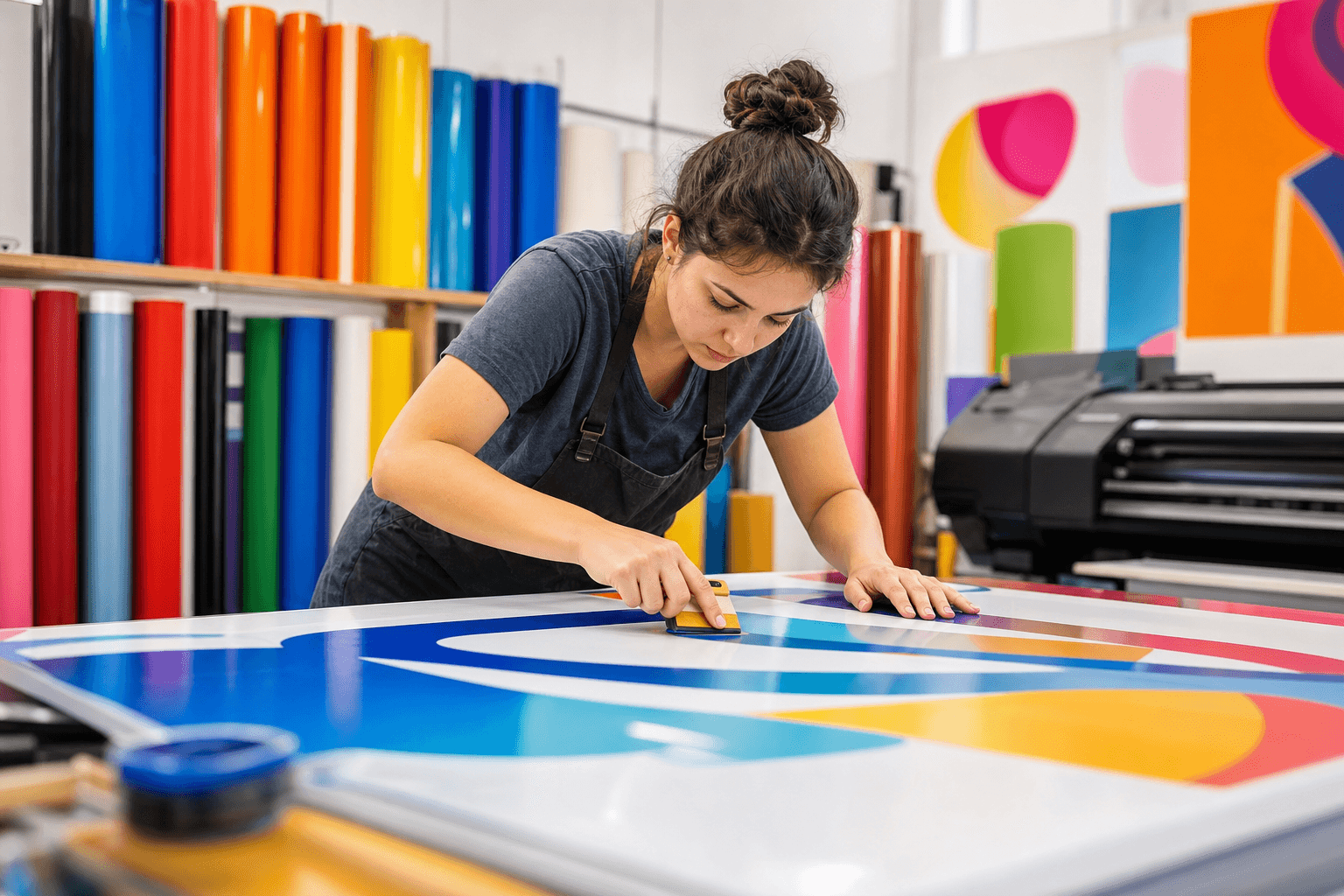
A vinyl cutter, sometimes called a plotter, drives a small blade that cuts shapes from coloured adhesive vinyl. You weed away the excess, apply transfer tape, and stick the design onto a sign board, a vehicle or a shop window. It is affordable, durable and a common entry point.
Heat transfer and apparel
Heat presses bond a design onto fabric using heat and pressure. This covers heat transfer vinyl for t-shirts, as well as newer methods such as direct to film. It is a popular first business because shirts, caps and bags sell well and need little floor space.
Sublimation
Sublimation uses special inks that turn into gas under heat and bond into polyester and coated blanks like mugs and phone cases. The colours are vivid and permanent. It suits small custom gift items.
Large format printing
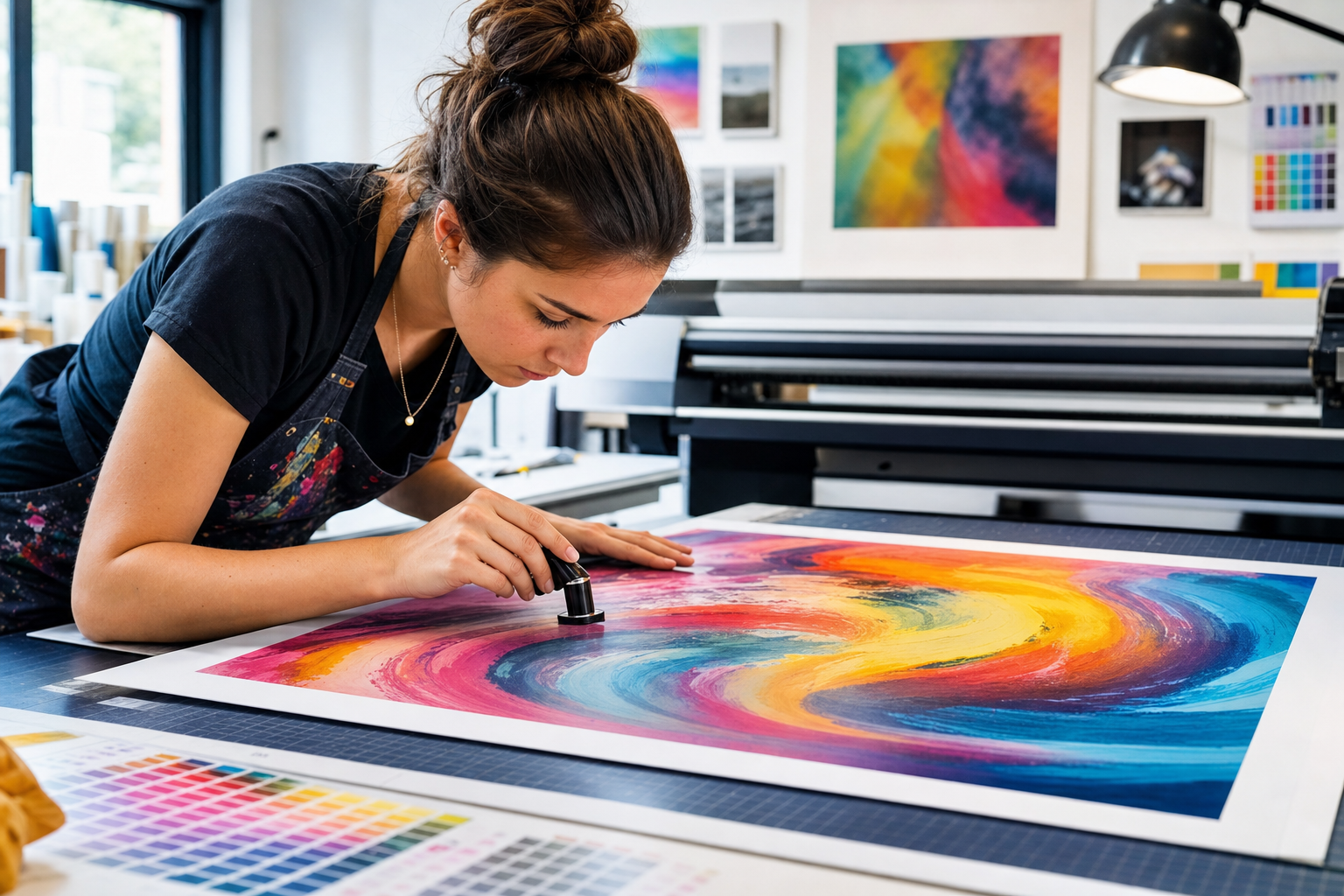
Large format printers handle banners, posters, stickers and outdoor signage on wide rolls of media. They are a bigger investment but open the door to high value jobs.
The starter kit
You can begin with very little. A reliable computer, a vinyl cutter, a heat press and a stock of vinyl and blanks will let you produce signs, stickers and basic apparel. Add a laminator when your stickers need weather protection, and a sublimation printer when customers ask for mugs and personalised gifts. Resist the urge to buy everything at once. Let real orders tell you what to add next.
Design software matters as much as hardware. You will need a vector program to prepare cut files and clean artwork. Vector art scales without blurring, which is essential for signage. Spend time learning it early, because clean files save hours of frustration later.
Learning the craft
The fastest way to improve is to make things. Cut a batch of stickers and study where the blade pressure was wrong. Press a shirt and check whether the temperature and time gave a lasting bond. Each material has a sweet spot, and you find it by testing on scraps before you commit to a customer's job.
Keep a simple logbook of settings that worked. Heat, time, pressure, blade depth and media type are worth recording. Over a few weeks you build a reference that turns guesswork into a repeatable process.
Finding your first customers
In Mauritius, small businesses are everywhere, and most of them need signs, stickers, branded shirts or banners at some point. Start close to home. A neighbouring shop may want a window decal. A friend running a stall may need a banner. A local sports team often wants printed jerseys or supporter shirts.
Show rather than tell. A small portfolio of samples you can hand over speaks louder than a price list. Offer to make one item at cost so a business owner can see your quality. Word of mouth moves quickly in a small market, and one happy customer often brings three more.
Pricing without underselling
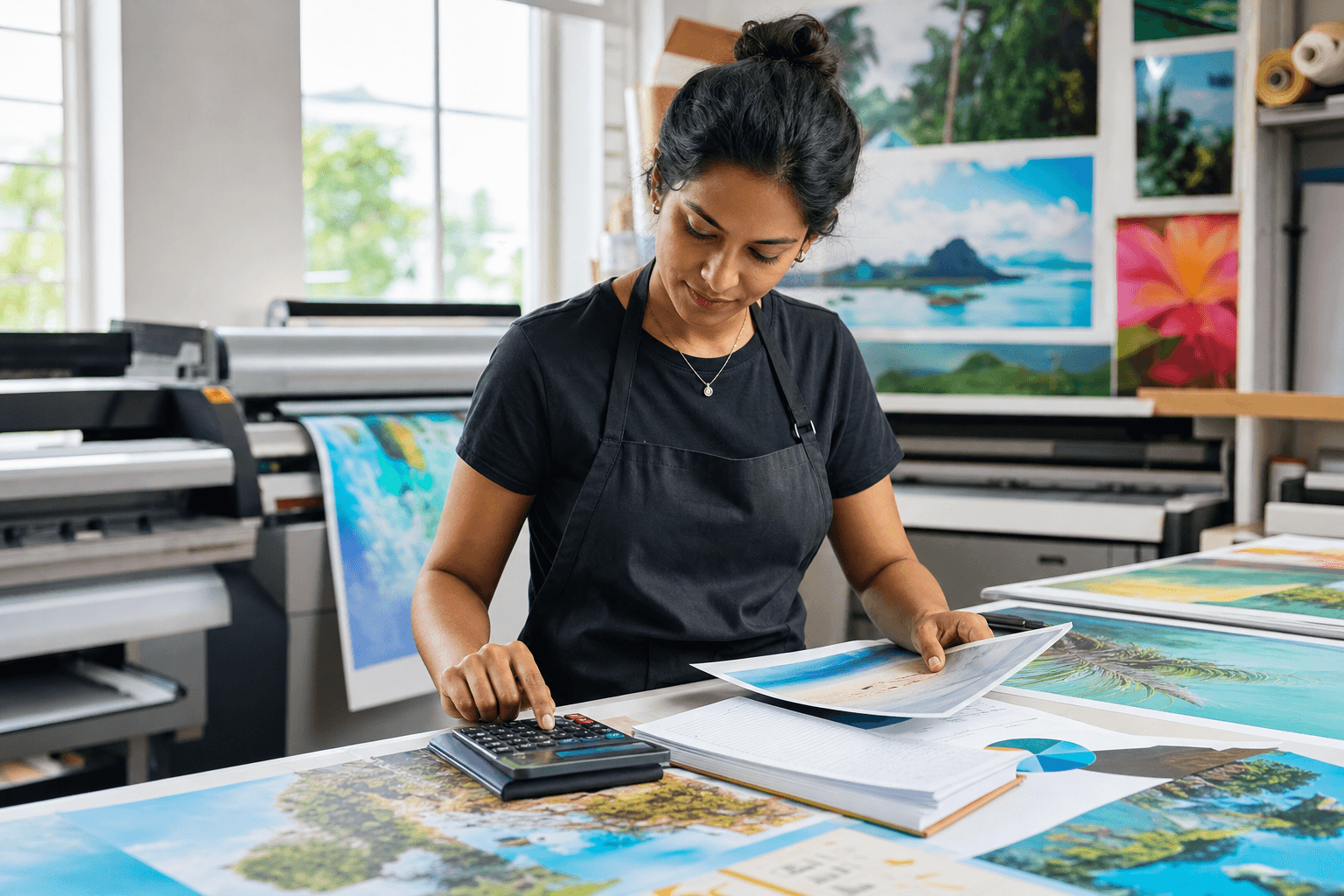
Beginners often price too low because they only count the material. Your price must also cover your time, the wear on your machines, wasted media from mistakes, and a margin for profit. A useful habit is to track how long a job actually takes, including design and finishing, not just the press time. You will quickly see that the cheap quote you gave was costing you money.
Building toward a real workshop
Many print businesses in Mauritius grow from a spare room or a single table. As orders grow, reinvest in better equipment, a proper cutting surface and good storage for media. Keep your workspace clean, because dust and stray fibres ruin prints and transfers.
The trade rewards patience. Learn one process until your results are consistent, win customers with quality, then expand into the next method. Start small, keep testing, and let each finished job teach you something for the next one.
Great print starts with the right supplies and know how. Explore the wider Graphic Supplies ecosystem.